
Technical Support & Resources
Visit our FAQ
Contact Us
Toll Free Phone (USA and Canada Only): (888) 526-5351
Direct Phone: (734) 975-3888
Product Categories

Technical Information
- AMP-activated Protein Kinase α1
Shipping & Storage Information
Recommended Products
Certificates of Analysis & Batch Specific Data
Provide batch numbers separated by commas to download or request available product inserts, QC sheets, certificates of analysis, data packs, and GC-MS data.
Lipid Resource Center
Discover Products & Resources for Lipid Research
- High-purity lipid standards
- Lipid roles in biology
- Lipids in health & disease
- Lipids for pharmaceutical development
- Protocols, advice, & resources
Product Description
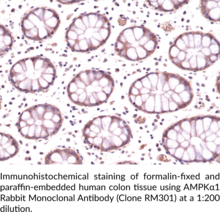
AMP-activated protein kinase α1 (AMPKα1) is a subunit of AMPK, a serine/threonine kinase that acts as a metabolic sensor to maintain cellular energy homeostasis.1 AMPK is a heterotrimeric complex composed of a catalytic α subunit and β and γ regulatory subunits, where each subunit has multiple isoforms encoded by different genes, forming up to 12 distinct heterotrimers. The α subunit has two isoforms, α1 and α2, encoded by PRKAA1 and PRKAA2, respectively, in humans. AMPKα1 is ubiquitously expressed and contains an N-terminal kinase domain that is subject to phosphorylation, a modification required for its activation, as well as an auto-inhibitory domain connected to the C-terminal domain by a flexible α-linker that associates with the γ subunit and regulates AMPK activity.1,2 Under conditions of low intracellular ATP, such as hypoxia or nutrient deprivation, AMPKα1 is phosphorylated by liver kinase B1 (LKB1), leading to AMPKα1 activation and alterations in several key metabolic processes that restore energy homeostasis.3 AMPKα1 activation inhibits anabolic processes, such as glucose, lipid, or protein biosynthesis, activates catabolic processes, such as glycolysis, lipolysis, and autophagy, and stimulates mitochondrial biogenesis and lysosomal degradation. Cayman's AMPKα1 Rabbit Monoclonal Antibody (Clone RM301) can be used for immunohistochemistry (IHC) and Western blot (WB) applications.
WARNING This product is not for human or veterinary use.
References & Product Citations
1. AMP‐activated protein kinase: A cellular energy sensor that comes in 12 flavours. FEBS J. 283(16), 2987-3001 (2016).
2. Regulation of AMPK by the ubiquitin proteasome system. Am. J. Pathol. 178(1), 4-11 (2011).
3. AMPK: Guardian of metabolism and mitochondrial homeostasis. Nat. Rev. Mol. Cell Biol. 19(2), 121-135 (2018).
Contact Info
Cayman Chemical1180 East Ellsworth RoadAnn Arbor, Michigan 48108 USAToll Free: (800) 364-9897(USA and Canada only)Fax: (734) 971-3640


