
Log InRegister
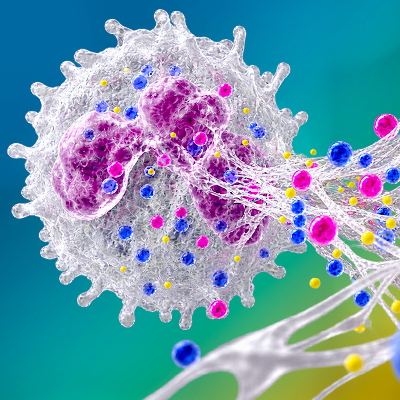
Capturing NETosis: Finding the Right Assay Kit for Your Application
Featured Article from 2026-08-31
Given the importance of NETosis in both physiological and pathological contexts, Cayman Chemical has developed a suite of complementary assay kits to support the study of this process. Explore this selection guide to learn more about our industry-leading solutions and choose the best assay(s) for your application.
As Cell Therapy Evolves, the Technology is Maturing
Featured Article from 2026-08-26
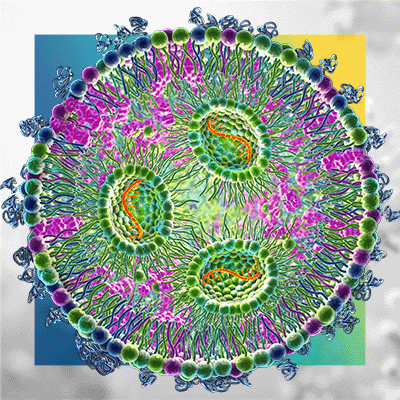
Cell therapy is entering a new phase of development as researchers look beyond demonstrating therapeutic potential toward making advanced treatments more practical, scalable, and accessible. Drawing on more than four decades in biotechnology, Cayman Chemical President and CEO Kirk Maxey discusses the growing interest in in vivo approaches and how advances in lipid nanoparticle delivery could help expand the possibilities for next-generation cell and nucleic acid therapies.
Pursuing Authenticity in Coenzyme A Free Acid
Featured Article from 2026-08-24
Explore why reagent identity can extend beyond a product name or CAS number. Using Coenzyme A as an example, Cayman scientists reveal how careful characterization uncovered unexpected counterion content in commercially available materials and led to the development of Coenzyme A (free acid), a more authentically characterized free-acid form.
In this article, Patrick Westcott, Director of Catalog Chemistry Production at Cayman Chemical, discusses why careful reagent characterization and transparency are essential for helping researchers select the right materials for their work.
In this article, Patrick Westcott, Director of Catalog Chemistry Production at Cayman Chemical, discusses why careful reagent characterization and transparency are essential for helping researchers select the right materials for their work.
What ASP 2026 Revealed About AI and the Future of Research
Featured Article from 2026-08-19
Artificial intelligence (AI) is reshaping how researchers identify patterns in data. Computational models can increasingly predict structures and relationships in ways that would have seemed like science fiction only a few years ago. But as the pace of discovery accelerates, so does the need for scientific certainty.
Drawing on more than four decades in the life sciences, Cayman Chemical President and CEO Kirk Maxey reflects on why rigor, validation, and trust remain fundamental to scientific progress, and why they may matter more than ever in the age of AI.
Drawing on more than four decades in the life sciences, Cayman Chemical President and CEO Kirk Maxey reflects on why rigor, validation, and trust remain fundamental to scientific progress, and why they may matter more than ever in the age of AI.
As Bile Acid Biology Evolves, So Too Must the Tools Used to Study It
Featured Article from 2026-08-18
For decades, bile acids were viewed primarily as digestive molecules. Today, researchers are uncovering a much broader story. From metabolism and inflammation to communication between the gut microbiome and host tissues, bile acids are increasingly recognized as important signaling molecules with influence far beyond the digestive system.
In this article, Paul Kennedy, VP of Analytical Chemistry at Cayman Chemical, discusses how our understanding of bile acid biology is evolving and why researchers need increasingly sophisticated tools to explore it.
New Product Spotlight: NET Fragment Assay Kit (MPO-DNA)
Featured Article from 2026-07-23
Cayman’s new NET Fragment Assay Kit (MPO-DNA) allows for qualitative assessment of NETosis via the detection of MPO-DNA complexes (i.e., NET fragments) in human plasma and cell culture supernatants. This immunometric assay kit includes all necessary reagents and uses a straightforward protocol that provides rapid results in under four hours.
MGM-16: Corynanthe Numbering and the Name 10-Fluoro Dihydro-7-Hydroxy Mitragynine
Featured Article from 2026-07-09
MGM-16 is a potent semi-synthetic opioid derived from the kratom alkaloid mitragynine. Cayman's reference standard for 10-fluoro dihydro-7-hydroxy Mitragynine (MGM-16) uses the Corynanthe scaffold numbering system to designate the fluoro substituent at the 10 position. We review MGM-16 nomenclature, describe the differences between Corynanthe and IUPAC numbering conventions, and discuss their relevance in light of evolving state and federal regulation.
Serum Albumins as Carriers for Fatty Acid Delivery
Featured Article from 2025-10-24
BSA-fatty acid complexes are commonly used in cell culture and biochemical assays to deliver fatty acids in a physiologically relevant way. Cayman offers a variety of HSA- and BSA-FA complexes at different ratios and molarities for diverse assay needs, packaged in a convenient, ready-to-use format.
Analytical Standards to Support the CFSRE’s Novel Psychoactive Substance Scope Recommendations: Q2 2026
Article from 2026-06-26
The NPS Discovery program at the Center for Forensic Science Research & Education (CFSRE) publishes a quarterly scope recommendation to provide the latest guidance in developing an appropriate analytical scope of testing for novel psychoactive substances (NPS).
2026 Cayman Wallpaper Collection: A Digital Option to Replace Your Calendar
Article from 2025-11-26
This year, we’re pausing the printed calendar and introducing a digital alternative: high-resolution marine-themed wallpapers for desktop, mobile, and tablet download.
Exploring Proteus mirabilis Cyclic Dinucleotide Signaling Network Phenotypes During Biofilm Formation
Article from 2025-11-18
Proteus mirabilis is the causative agent of up to 44% of catheter-associated urinary tract infections and utilizes an arsenal of pathogenic strategies, including swarming motility and biofilm formation. Cyclic dinucleotides (CDNs) play a crucial role in biofilm formation. Understanding how CDNs are regulated could reveal novel strategies for disrupting biofilm formation and mitigating persistent infections caused by P. mirabilis and other bacteria.
In this study, we explored the regulatory network underlying biofilm formation in P. mirabilis HI4320.
How to Study Cellular Metabolism: Breaking Down Carbohydrate, Lipid, and Amino Acid Metabolism
Article from 2025-11-13
Cellular metabolism is a network of biochemical processes that occur in all cells to sustain life. When looking for assays to study cellular metabolism, it’s important to choose methods that capture key pathways involved in carbohydrate, lipid, and amino acid metabolism, such as glycolysis, oxidative phosphorylation, and fatty acid oxidation.
New Product Spotlight: Biofilm Formation and Staining Kit
Article from 2025-11-11
Cayman Chemical’s new Biofilm Formation and Staining Kit provides a straightforward, semi-quantitative method for evaluating bacterial biofilm formation. This assay kit allows you to easily screen for mutations and/or compounds that modulate biofilm formation with less time and variability than traditional staining methods.
Off-Patent Drugs as Inspiration for New Therapies
Article from 2025-10-24
Drug repurposing, also known as drug repositioning, is a strategy to discover novel indications for approved drugs. Repurposed drugs save 5-7 years in development time and cost $300 million on average compared with newly discovered drugs, which take 10-15 years to be developed and can cost $2-3 billion. Approximately one-third of new FDA approvals are for repurposed drugs, highlighting their significant contribution to modern medicine.
Cayman’s Off-Patent Drug Screening Library contains approximately 607 compounds to streamline drug repurposing studies.
Beyond Bacteria: Cyclic di-AMP Production in Eukaryotes Regulates Inflammation
Article from 2025-09-16
Cyclic di-AMP is best known for its function as a bacterial second messenger. A recent study published in Nature Chemical Biology used Cayman’s Cyclic di-AMP ELISA Kit to demonstrate that cyclic di-AMP is produced in eukaryotic cells as well and has roles in TLR9 signaling and NLRP3 inflammasome activation.
New Product Spotlight: Cyclic tetra-AMP ELISA Kit
Article from 2025-08-22
Cayman’s new Cyclic tetra-AMP ELISA Kit allows for sensitive, selective measurement of cyclic tetra-AMP in bacterial cell lysates. This competitive assay kit was developed in conjunction with Biolog Life Science Institute and has been thoroughly validated to ensure accurate, reliable results and provide a straightforward and cost-effective alternative to mass spectrometry.
Making a Splash: Nitazenes and Orphines, the Latest Wave of Opioid NPS Webinar Highlights
Article from 2025-07-15
Nitazenes and orphines are two classes of synthetic opioids that are proliferating in illicit drug markets. Danielle St. Germaine, a synthetic organic chemist in the Forensic Chemistry Division at Cayman Chemical, discussed the history, pharmacology, naming, and fragmentation of nitazenes and provided a brief glimpse of orphines in this recent webinar. We have summarized the key insights from the webinar here.
Nitazene Identification, Naming, and Metabolism: Resources for the Lab Wall Poster
Article from 2025-05-21
Discover additional resources to advance research and identification of nitazenes and other novel psychoactive substances (NPS) here, including references used to compile the nitazene lab wall poster, reference standards, and related articles and NPS resources.
Strategies to Ensure the Purity of PEGylated Lipids in Lipid Nanoparticles
Article from 2025-05-13
The increasing variety and complexity of PEGylated lipids in lipid nanoparticles (LNPs) has led to issues that include lack of formalized nomenclature, confusion about what quality specifications are appropriate or necessary, and lack of standardized methods for appropriate characterization of identity and purity.
In this article, we shed light on these challenges and provide strategies for ensuring the quality and purity of PEGylated lipids in LNPs.
Ionizable Cationic Lipids Selection Guide for Targeted Delivery and Cargo Type
Article from 2025-04-21
Lipid nanoparticles (LNPs) are a promising approach for the delivery of nucleic acid cargoes for an untold number of health applications. One of the current interests in LNP research is the identification of strategies that achieve targeted delivery of the nucleic acid cargo.
Use this guide to find candidate ionizable cationic lipids by target organ or cargo.
Use this guide to find candidate ionizable cationic lipids by target organ or cargo.
A Guide to Ferroptosis: Mechanisms & Research Tools
Article from 2025-04-08
Ferroptosis is a form of cell death resulting from iron-dependent lipid peroxide accumulation. Iron triggers the peroxidation of fatty acids, resulting in the formation of highly reactive lipid peroxides. When these lipid reactive oxygen species (ROS) exceed the capacity of a cell's antioxidant system, the oxidative stress damages proteins, nucleic acids, and lipids, ultimately resulting in cell death.
Explore quick product selections as well as in-depth product selections and information on why these factors are essential in studying ferroptosis.
Explore quick product selections as well as in-depth product selections and information on why these factors are essential in studying ferroptosis.
Natural Products for Drug Discovery in Modern Medicine
Article from 2025-03-06
Natural products have been a historically invaluable source of bioactive compounds with well-recognized potential therapeutic uses. Today, they continue to represent important sources for new drugs.
High-throughput screening is used extensively in drug discovery to rapidly identify candidate hit compounds for hit-to-lead development. Cayman’s Natural Product Screening Library contains over 1,600 chemically, structurally, and biologically diverse natural products to support drug discovery efforts.
Helping Make Research Possible: Custom Services from Essential Research to Drug Discovery
Article from 2025-02-04
From essential laboratory services to drug discovery and development, Cayman provides chemistry and biology services to meet a wide range of researchers’ needs. Our commitment to providing first-class research solutions that meet client needs has established Cayman as a trusted partner for researchers across academia, biotech, and pharma organizations.
Beyond Drug Discovery: From Molecule to Market with CGMP Manufacturing
Article from 2025-01-22
Cayman’s US- and EU-based end-to-end CDMO services support academic, pharma, and biotech clients across the entire drug substance development lifecycle, from drug discovery through clinical trials to commercialization.
We Support Accurate Analysis Through High-Quality Reference Standards
Article from 2025-01-07
Cayman supplies reference standards for a wide range of testing and research applications, including forensic science, clinical analysis, toxicology, pharmacology, and natural product testing.
We offer our products as analytical standards, reference materials (RMs), and certified reference materials (CRMs) to cover individual analytical testing needs and laboratory requirements.
Contact Info
Cayman Chemical1180 East Ellsworth RoadAnn Arbor, Michigan 48108 USAToll Free: (800) 364-9897(USA and Canada only)Fax: (734) 971-3640


