
Technical Support & Resources
Visit our FAQ
Contact Us
Toll Free Phone (USA and Canada Only): (888) 526-5351
Direct Phone: (734) 975-3888
Product Categories
Technical Information
- CALLA
- Common Acute Lymphocytic Leukemia Antigen
- Enkephalinase
- Membrane Metalloendopeptidase
- MME
- Neutral Endopeptidase
- NEP
Shipping & Storage Information
Recommended Products
Certificates of Analysis & Batch Specific Data
Provide batch numbers separated by commas to download or request available product inserts, QC sheets, certificates of analysis, data packs, and GC-MS data.

Visit Our Cancer Resource Center
Find Tools & Resources to Study the Hallmarks of Cancer
- Cancer cell signaling & regulation
- Cancer metabolism
- Tumor microenvironment
Product Description
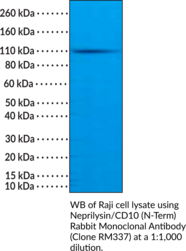
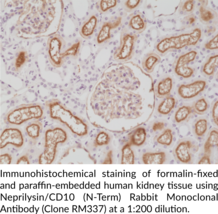
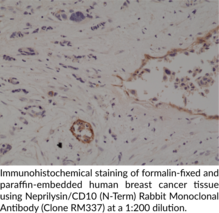
Neprilysin, also known as CD10, is a type II transmembrane glycoprotein and zinc-dependent endopeptidase encoded by MME in humans.1,2 It is composed of an extracellular domain that contains the endopeptidase active site, a transmembrane domain, and a short cytoplasmic tail. Neprilysin is expressed transiently during B cell maturation and is constitutively expressed in a variety of tissues including lung, intestine, kidney, liver, breast, and the CNS. It cleaves a variety of substrates, including enkephalins, substance P, angiotensin, oxytocin, somatostatin, and bombesins, and has roles in CNS development, pain perception, spatial working memory, fetal development, airway inflammation, and stem cell differentiation. MME expression is associated with increased 5-year survival rates in pediatric patients with B cell lineage acute lymphoblastic leukemia (ALL) and inversely correlated with poor prognosis in patients with various types of solid tumors.2 Neprilysin protein levels and enzymatic activity are decreased in postmortem brain tissue from patients with Alzheimer's disease. Cayman's Neprilysin/CD10 (N-Term) Rabbit Monoclonal Antibody (Clone RM337) can be used for immunohistochemistry (IHC) and Western blot (WB) applications.
WARNING This product is not for human or veterinary use.
References & Product Citations
1. Neprilysin expression and functions in development, ageing and disease. Mech. Ageing Dev. 192, 111363 (2020).
2. Concise review: neutral endopeptidase (CD10): A multifaceted environment actor in stem cells, physiological mechanisms, and cancer. Stem Cells 29(3), 389-396 (2011).
Contact Info
Cayman Chemical1180 East Ellsworth RoadAnn Arbor, Michigan 48108 USAToll Free: (800) 364-9897(USA and Canada only)Fax: (734) 971-3640


