
Technical Support & Resources
Visit our FAQ
Contact Us
Toll Free Phone (USA and Canada Only): (888) 526-5351
Direct Phone: (734) 975-3888
Product Categories
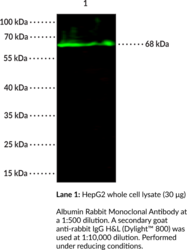
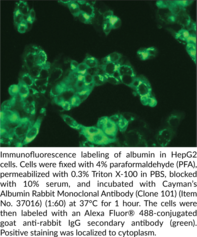
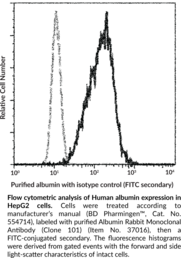
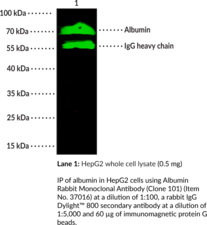
Technical Information
- HSA
Shipping & Storage Information
Recommended Products
Certificates of Analysis & Batch Specific Data
Provide batch numbers separated by commas to download or request available product inserts, QC sheets, certificates of analysis, data packs, and GC-MS data.
Lipid Resource Center
Discover Products & Resources for Lipid Research
- High-purity lipid standards
- Lipid roles in biology
- Lipids in health & disease
- Lipids for pharmaceutical development
- Protocols, advice, & resources
Product Description
Albumin is a non-glycosylated and negatively charged protein that comprises 50% of total plasma protein content.1 It is composed of three homologous domains that each contain two flexible subdomains, which are responsible for binding various ligands such as hormones, fatty acids, metal ions, metabolites, and pharmaceuticals. Albumin is a globular, secreted protein that exists primarily in a reduced form but also exists as mixed disulfides in complex with thiol-containing substances, such as cysteine and glutathione, in plasma.1,2 It has roles in the maintenance of osmotic pressure, buffering blood pH, and the transport of the aforementioned ligands throughout the body. Serum levels of albumin are negatively correlated with all-cause mortality.3,4 Plasma albumin levels are decreased and associated with poor prognosis and mortality in patients with cirrhosis.3 Elevated levels of urinary albumin have been used as markers of the development of diabetic nephropathy and non-diabetic kidney disease and to evaluate the prognosis in various disease states and are associated with cardiovascular morbidity and mortality.5,6,7 Cayman’s Albumin Rabbit Monoclonal Antibody (Clone 101) can be used for ELISA, flow cytometry (FC), immunocytochemistry (ICC), immunofluorescence (IF), immunoprecipitation (IP), and Western blot (WB) applications. The antibody recognizes albumin at 68 kDa from human samples.
WARNING This product is not for human or veterinary use.
References & Product Citations
1. Albumin: Biochemical properties and therapeutic potential. Hepatology 41(6), 1211-1219 (2005).
2. Constitutive secretion of serum albumin requires reversible protein tyrosine phosphorylation events in trans-
3. New insights about albumin and liver disease. Ann. Hepatol. 17(4), 547-560 (2018).
4. Serum albumin level and physical disability as predictors of mortality in older persons. JAMA 272(13), 1036-1042 (1994).
5. Predictors for the development of microalbuminuria and macroalbuminuria in patients with type 1 diabetes: inception cohort study. BMJ 328(7448), 1105-1110 (2004).
6. Microalbuminuria as predictor of increased mortality in elderly people. Br. Med. J. 300, 297-300 (1990).
7. Falsely low urinary albumin concentrations after prolonged frozen storage of urine samples. Clin. Chem. 51(11), 2181-2183 (2005).
Contact Info
Cayman Chemical1180 East Ellsworth RoadAnn Arbor, Michigan 48108 USAToll Free: (800) 364-9897(USA and Canada only)Fax: (734) 971-3640


