
Technical Support & Resources
Information provided in the product description is from published literature. Due to the nature of scientific experimentation, your results (e.g., selectivity and effective concentrations) or specific application for this product may differ. If you have questions about how this product fits your application, please contact our technical support staff.
Visit our FAQ
Contact Us
Toll Free Phone (USA and Canada Only): (888) 526-5351
Direct Phone: (734) 975-3888
Product Categories
Technical Information
- Perlolyrin
- Tribulusterine
- Substance YS
Shipping & Storage Information
Recommended Products
Certificates of Analysis & Batch Specific Data
Provide batch numbers separated by commas to download or request available product inserts, QC sheets, certificates of analysis, data packs, and GC-MS data.
Neutrophil Biology Wall Poster
Explore how neutrophils shape the immune response in health and disease. This poster highlights neutrophil pathogen defense mechanisms, including phagocytosis, degranulation, and NETosis, as well as neutrophil roles in inflammation and NET-associated pathologies.
DOWNLOAD NOWProduct Description
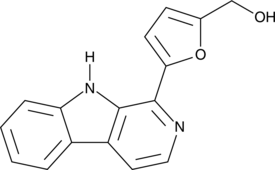
Perlolyrine is a β-carboline alkaloid originally isolated from L. perenne and has anti-inflammatory activity.1,2 It inhibits LPS-induced toll-like receptor 4 (TLR4) activation and IFN signaling in THP-1 monocytes at 100 µM.2 Intravaginal application of perlolyrine (100 µM) reduces vaginal inflammation and increases survival time but does not reduce vaginal viral titers in a mouse model of genital herpes. Perlolyrine is also formed from L-tryptophan (Item No. 29600) and monosaccharides when heated in acidic conditions and has been found in foods such as tomato juice and puree, miso, and soy sauce.3,4
WARNING This product is not for human or veterinary use.
References & Product Citations
1. The alkaloids of perennial rye-
2. Vaginal lactobacilli produce anti-
3. Identification, formation, and occurrence of perlolyrine: A β-
4. Perlolyrine formation and isoflavones hydrolysis during miso fermentation affected by tryptophan and tryptamine. J. Food Sci. 91(9), e71364 (2026).
Contact Info
Cayman Chemical1180 East Ellsworth RoadAnn Arbor, Michigan 48108 USAToll Free: (800) 364-9897(USA and Canada only)Fax: (734) 971-3640


