
Technical Support & Resources
Visit our FAQ
Contact Us
Toll Free Phone (USA and Canada Only): (888) 526-5351
Direct Phone: (734) 975-3888
Product Categories
Research Area

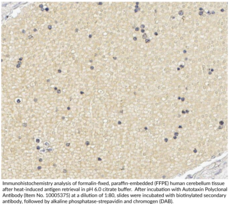
Technical Information
- ENPP2
- Lysophospholipase D
- Lyso-PLD
Shipping & Storage Information
Recommended Products
Certificates of Analysis & Batch Specific Data
Provide batch numbers separated by commas to download or request available product inserts, QC sheets, certificates of analysis, data packs, and GC-MS data.
Lipid Resource Center
Discover Products & Resources for Lipid Research
- High-purity lipid standards
- Lipid roles in biology
- Lipids in health & disease
- Lipids for pharmaceutical development
- Protocols, advice, & resources
Product Description
Lysophosphatidic acid (LPA) is an extracellular signaling lipid that evokes multiple biological functions including induction of platelet aggregation, smooth muscle contraction, and stimulation of cell proliferation and chemotaxis.1 Lysophospholipase D (lysoPLD) was first discovered in 1999 as the enzyme responsible for generating LPA from lysophosphatidylcholine (LPC).2 It was later revealed to be identical to an autocrine motility factor, autotaxin (ATX), which plays a role in tumor progression and metastasis.3,4 LysoPLD/ATX mRNA is widely expressed with highest levels found in brain, ovary, lung, intestine, and testis.5,6 Rat lysoPLD is composed of 885 amino acids with an estimated molecular weight of 101 kDa. The protein is reported to be heavily glycosylated and thus its apparent size on SDS-PAGE may be run as high as 125 kDa.7 Useful positive controls include cerecrospinal fluid, mouse ascites, or seminal plasma.
WARNING This product is not for human or veterinary use.
References & Product Citations
1. Lysophospholipid receptors: Signaling and biology. Annu. Rev. Biochem. 73, 321-354 (2004).
2. Identification of human lysophospholipase D, a lysophosphatidic acid-
3. Autotaxin has lysophospholipase D activity leading to tumor cell growth and motility by lysophosphatidic acid production. J. Cell Biol. 158, 227-233 (2005).
4. Biosynthesis of anandamide and N-
5. Lysophosphatidic acid: Mitogen and motility factor. Biochem. Soc. Trans. 31, 1209-1212 (2003).
6. cDNA cloning of the human tumor motility-
High-
Autotaxin-
ATX expression and LPA signalling are vital for the development of the nervous system. Dev. Biol. 339(2), 451-464 (2010).
Contact Info
Cayman Chemical1180 East Ellsworth RoadAnn Arbor, Michigan 48108 USAToll Free: (800) 364-9897(USA and Canada only)Fax: (734) 971-3640


