
Technical Support & Resources
Visit our FAQ
Contact Us
Toll Free Phone (USA and Canada Only): (888) 526-5351
Direct Phone: (734) 975-3888
Product Categories
Technical Information
- Cleaved FBN1
- Cleaved Fibrillin-1
Shipping & Storage Information
Recommended Products
Certificates of Analysis & Batch Specific Data
Provide batch numbers separated by commas to download or request available product inserts, QC sheets, certificates of analysis, data packs, and GC-MS data.

Explore Obesity & Metabolic Disease Resources
Discover high-quality research tools to investigate GLP-1 mechanisms and next-generation metabolic targets.
OBESITY RESEARCH SOLUTIONSProduct Description
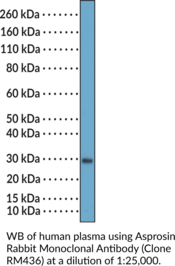
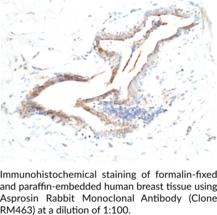
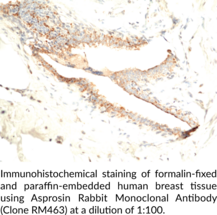
Asprosin is a glucogenic protein hormone secreted by white adipose tissue in mammals.1 This ~16 kDa protein is a 140-amino acid C-terminal cleavage product produced by furin cleavage of profibrillin. Asprosin increases glucose release via cyclic AMP (cAMP) and protein kinase A (PKA) in hepatocytes via interaction with a cell surface receptor, an effect that can be reversed by suramin, an inhibitor of heterotrimeric G proteins, or RP-cAMPS (Item No. 16985), an antagonist of cAMP binding to PKA. In vivo, elevated plasma asprosin increases hepatic glucose production but does not affect glucose uptake in peripheral organs in response to insulin. Asprosin is orexigenic, activating AgRP+ neurons in a cAMP-dependent manner, which leads to appetite stimulation and increased body weight.2 Plasma asprosin is elevated in adult humans and mice with type 2 diabetes mellitus and other genetic conditions that confer insulin resistance.1,3 Cayman's Asprosin Rabbit Monoclonal Antibody (Clone RM463) can be used for immunohistochemistry (IHC) and Western blot (WB) applications.
WARNING This product is not for human or veterinary use.
References & Product Citations
1. Asprosin, a fasting-
2. Asprosin is a centrally acting orexigenic hormone. Nat. Med. 23(12), 1444-1453 (2017).
3. Circulating asprosin concentrations are increased in type 2 diabetes mellitus and independently associated with fasting glucose and triglyceride. Clin. Chim. Acta. 489, 183-188 (2017).
Contact Info
Cayman Chemical1180 East Ellsworth RoadAnn Arbor, Michigan 48108 USAToll Free: (800) 364-9897(USA and Canada only)Fax: (734) 971-3640


