
Technical Support & Resources
Visit our FAQ
Contact Us
Toll Free Phone (USA and Canada Only): (888) 526-5351
Direct Phone: (734) 975-3888
Product Categories
Product Type
Application
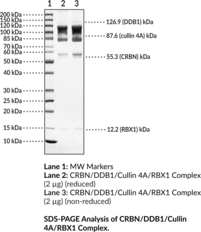
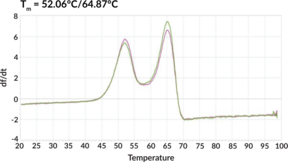
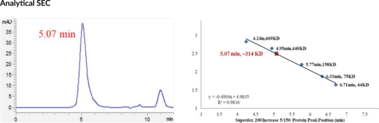
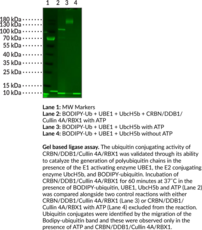
Technical Information
- CRBN: Cereblon
- Cullin 4A: CUL4A
- DDB1: Damage-specific DNA-binding Protein 1
- DDB1: DNA Damage-binding Protein 1
- DDB1: HBV X-associated Protein 1
- DDB1: UV-damaged DNA-binding Factor
- DDB1: UV-damaged DNA-binding Protein 1
- DDB1: UV-DDB1
- DDB1: XAP-1
- DDB1: Xeroderma Pigmentosum Group E-complementing Protein
- DDB1: XPE-BF
- DDB1: XPE-binding Factor
- RBX1: Regulator of Cullins-1
- RBX1: RING Box Protein 1
- RBX1: RING Finger Protein 75
- RBX1: RNF75
- RBX1: ROC1
Shipping & Storage Information
Recommended Products
Certificates of Analysis & Batch Specific Data
Provide batch numbers separated by commas to download or request available product inserts, QC sheets, certificates of analysis, data packs, and GC-MS data.

Explore Obesity & Metabolic Disease Resources
Discover high-quality research tools to investigate GLP-1 mechanisms and next-generation metabolic targets.
OBESITY RESEARCH SOLUTIONSProduct Description
The cullin 4 RING ligase (CRL4) complex is an E3 ubiquitin ligase complex.1,2,3 It is composed of the substrate receptor cereblon (CRBN), DNA damage-binding protein 1 (DDB1), cullin 4A or 4B, and RING box protein 1 (RBX1). CRBN and RBX1 bind to DDB1 and cullin 4A, respectively, and cullin 4A bridges DDB1 and RBX1, a configuration that allows CRBN to bind CRL4 substrates in proximity to RBX1 for ubiquitination.2 In this way, the CRL4 complex targets substrates for proteasomal degradation and is involved in regulation of the cell cycle, embryogenesis, DNA repair, replication, transcription, and carcinogenesis. Mutations in CRBN are associated with autosomal recessive non-syndromic intellectual disability, and CRBN is also the target of thalidomide-induced teratogenicity.2,3,4 Mutations in DDB1 are also associated with intellectual disability, as well as obesity, digital anomalies, hypotonia, and malformations.5 RBX1 and CUL4A, the gene encoding cullin 4A, are separately overexpressed in a variety of cancers and associated with poor overall survival.6,7,8 Cayman’s CRBN/DDB1/Cullin 4A/RBX1 Complex (human, recombinant) can be used for enzyme activity assays.
WARNING This product is not for human or veterinary use.
References & Product Citations
1. Function and regulation of cullin-
2. Cereblon in health and disease. Pflugers Arch. 468(8), 1299-1309 (2016).
3. Cereblon: Promise and challenges for combating human diseases. Pflugers Arch. 473(11), 1695-1711 (2021).
4. Identification of a primary target of thalidomide teratogenicity. Science 327(5971), 1345-1350 (2010).
5. A DNA repair disorder caused by de novo monoallelic DDB1 variants is associated with a neurodevelopmental syndrome. Am. J. Hum. Genet. 108(4), 749-756 (2021).
6. Pathogenic role of the CRL4 ubiquitin ligase in human disease. Front. Oncol. 2:21, (2012).
7. Overexpression of RING box protein-
8. RBX1 expression is an unfavorable prognostic factor in patients with non-
Contact Info
Cayman Chemical1180 East Ellsworth RoadAnn Arbor, Michigan 48108 USAToll Free: (800) 364-9897(USA and Canada only)Fax: (734) 971-3640


