
Technical Support & Resources
Information provided in the product description is from published literature. Due to the nature of scientific experimentation, your results (e.g., selectivity and effective concentrations) or specific application for this product may differ. If you have questions about how this product fits your application, please contact our technical support staff.
Visit our FAQ
Contact Us
Toll Free Phone (USA and Canada Only): (888) 526-5351
Direct Phone: (734) 975-3888

Technical Information
Shipping & Storage Information
Recommended Products




Certificates of Analysis & Batch Specific Data
Provide batch numbers separated by commas to download or request available product inserts, QC sheets, certificates of analysis, data packs, and GC-MS data.
Cannabinoid Resource Center
Discover Our Tools to Support Cannabinoid Research and Analysis.
- Cannabinoid signaling research products
- Analytical standards and certified reference materials
- Endocannabinoid profiling services
- Lab wall posters
- Articles, application notes, and webinars
Product Description
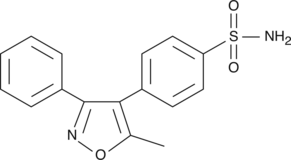
GAT211 is an agonist and positive allosteric modulator (PAM) of cannabinoid receptor 1 (CB1) and a racemic mixture of GAT228 (Item No. 24485) and GAT229 (Item No. 24486), which have enantiomer-specific activities.1 GAT211 increases β-arrestin recruitment and cAMP inhibition in HEK293A cells expressing GFP-tagged human CB1 (hCB1-GFP) in a concentration-dependent manner. It also enhances the binding of the CB1 full agonist CP 55,940 to CHO cells expressing hCB1, as well as the activity of 2-arachidonoyl glycerol (2-AG; Item No. 62160), arachidonoyl ethanolamide (AEA; Item No. 90050), and CP 55,940 in arrestin2 recruitment assays and increases ERK1/2 and PLCβ3 phosphorylation in HEK293 cells expressing hCB1. It inhibits excitatory postsynaptic currents (EPSCs) in a subset of CB1-expressing murine autaptic hippocampal neurons when used at a concentration of 1 µM.2 GAT211 also decreases mechanical hypersensitivity in wild-type (EC50 = 9.75 mg/kg), but not CB1 knockout, mice in a model of inflammatory pain induced by complete Freund’s adjuvant (CFA), and decreases mechanical and cold allodynia in a mouse model of paclitaxel-induced neuropathic pain when used at doses of 10 and 20 mg/kg per day.3
WARNING This product is not for human or veterinary use.
References & Product Citations
1. Enantiospecific allosteric modulation of cannabinoid 1 receptor. ACS Chem Biol. 8(6), 1188-1203 (2017).
2. Enantiomer-
3. Positive allosteric modulation of CB1 suppresses pathological pain without producing tolerance or dependence. Biol. Psychiatry 84(10), 722-733 (2018).
Contact Info
Cayman Chemical1180 East Ellsworth RoadAnn Arbor, Michigan 48108 USAToll Free: (800) 364-9897(USA and Canada only)Fax: (734) 971-3640


