
News & Announcements
Helping Recruit Immune Cells to Cancer
Article from 2020-03-24
How a DNA damage response can be targeted to activate STING
Poly(ADP-ribose) polymerase (PARP) is important for repairing single-strand breaks (SSBs) by binding to the region of damage and recruiting repair complex proteins. If the SSB is not properly repaired, double-strand breaks (DSBs) will result during replication. BRCA1, BRCA2, and PALB2 proteins help repair DSBs through homologous recombination (HR). The p53 tumor suppressor protein surveils for unrepaired or misrepaired DNA and initiates apoptosis when damaged DNA is sensed. If the repair of DSBs or the sensing of DNA damage is defective, chromosomal translocations, deletions, or insertions can lead to genomic instability and oncogenic transformation. Compounds that inhibit PARP by either trapping PARP-DNA complexes or blocking their catalytic activity can induce apoptosis in cancer cells through p53-mediated sensing of DNA damage. This effect is quite specific to tumors with intact p53 responses that are defective at DNA repair, especially in ovarian and breast cancers in women with inherited BRCA mutations, whereas cells with operational HR pathways survive PARP inhibition. While promising as a treatment for certain cancers, the use of PARP inhibitors as stand-alone therapy is complicated by de novo and acquired resistance.
PARP Inhibition Activates the STING Pathway
Interestingly, a recent study in a BRCA- and p53-deficient mouse model of triple-negative breast cancer has indicated that PARP inhibitors have efficacy beyond directly inducing apoptosis and serve to enhance immune infiltration of the tumor. PARP inhibition can trigger an antitumor immune response by activating the cGAS/STING pathway. STING (stimulator of interferon genes), one of the first lines of defense against an infection, normally responds to the unusual presence of cytoplasmic DNA from DNA-containing pathogens or damaged mitochondria. Cytosolic DNA is sensed by the cyclic GMP-AMP synthase (cGAS). As cGAS binds to DNA, it converts ATP and GTP into a soluble secondary messenger, cyclic dinucleotide 2’3’-GMP-AMP (2’3’-cGAMP). 2’3’-cGAMP binds to STING, activating a signaling cascade that results in type I interferon (IFN) production. These cytokines signal acute inflammation, attracting immune cells to the concerning site to remove the foreign material.
In the case of DNA damage repair disruption via a PARP inhibitor, DNA can accumulate in the tumor cell cytosol for recognition by cGAS-STING, activating type I IFN production and activating local immune cells (Figure 1). IFN signaling induces positive feedback and further STING activation and IFN signaling, ultimately recruiting cytotoxic T cells to the tumor in an inflammatory context. Destabilizing tumor cell DNA through PARP inhibition may also have the additive effect of increasing mutant protein translation and thus neoantigen presentation at the cell surface. Local antigen-presenting cells, which have taken up tumor antigens and presented them in MHC class I molecules through the cross-presentation pathway, can prime these recruited CD8+ T cells for antitumor activity. This therapeutic modality may also be combined with checkpoint blockades to release any brakes on the cytotoxic response and increase the intrinsic antitumor activity.
Figure 1. STING activation through PARP inhibition recruits cytotoxic T cells to infiltrate the tumor.
STING-Activation is a Double-Edged Sword
Another strategy that has been explored to activate the STING pathway in tumors is direct intratumoral injection of STING agonists. However, the activation of STING in tumors may also have negative consequences. While intratumoral STING activation is important for PARP inhibitor-based treatments, it should be noted that high expression of STING can also stimulate pro-tumorigenic behaviors. Highly aggressive tumors can co-opt STING signaling to promote a chronically inflammatory microenvironment that supports tumor growth and metastasis. Thus, long-term treatment with STING-activating agents should be heavily considered for potential to exacerbate tumor progression. Additional studies are needed to fully explain how in certain cases tumor and host STING activity facilitates an immune-suppressive environment.
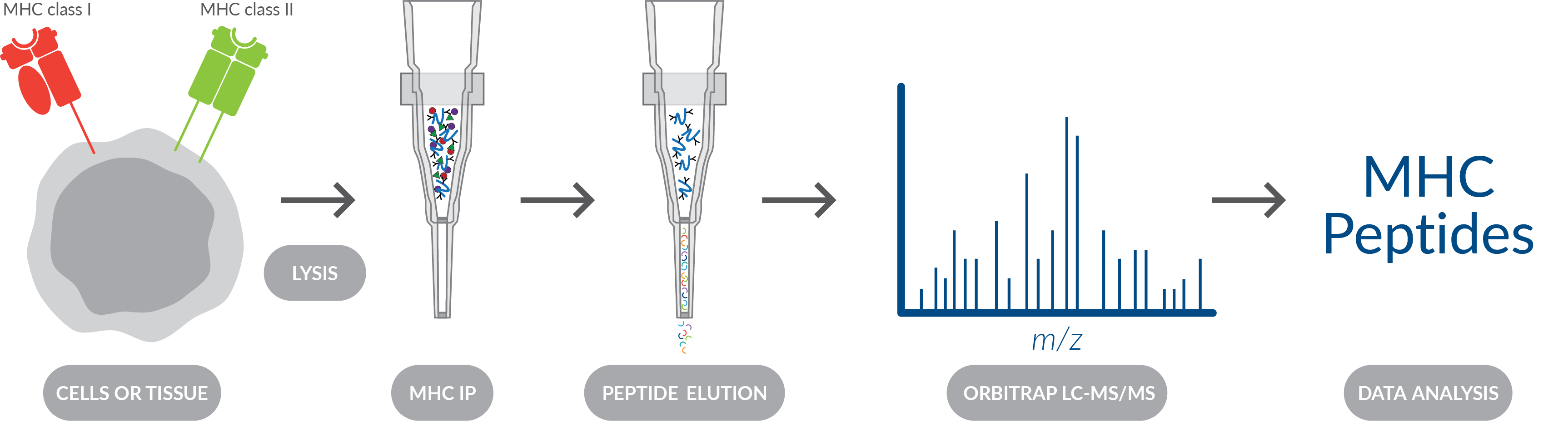
Cayman offers a select set of PARP inhibitors and a dedicated tool set of STING agonists, recombinant STING variants, additional key proteins, ELISA kits, and antibodies to study STING mediation of the innate immune response. We also provide help to identify neoantigens in tumor cell lines and tissue using optimized mass spectrometry-based sequence analysis of MHC-associated peptides.
Available PARP Inhibitors
See all PARP inhibitors
cGAS/STING
Find all cGAS/STING products
Read the Current
CAYMAN CURRENTS ISSUE 29: INNATE IMMUNE SIGNALING: cGAS/STING
Related PD-1/PD-L1 Interaction Inhibitors
Immunopeptidome Profiling Services
Cayman has optimized workflows for efficient, cost-effective sequence analysis of MHC-associated peptides to help clients identify neoantigens and potential immunogenic sequences.
Learn more about Immunopeptidome Profiling Services.
Suggested Reading
Ding, L., Kim, H.J., Wang, Q., et al. PARP inhibition elicits STING-dependent antitumor immunity in Brca1-deficient ovarian cancer. Cell Rep. 25(11), 2972-2980.e5 (2018).
Kwon, J. and Bakhoum, S.F. The cytosolic DNA-sensing cGAS–STING pathway in cancer. Cancer Discov. 10, 1-14 (2020).
Pantelidou, C., Sonzogni, O., De Oliveria Taveira, M., et al. PARP inhibitor efficacy depends on CD8+ T-cell recruitment via intratumoral sting pathway activation in BRCA-deficient models of triple-negative breast cancer. Cancer Discov. 9(6), 722-737 (2019).
Reisländer, T., Lombardi, E.P., Groelly, F.J., et al.BRCA2 abrogation triggers innate immune responses potentiated by treatment with PARP inhibitors. Nature Comm.10, 3143 (2019).
Schadt, L., Sparano, C., Schweiger, N.A., et al. Cancer-cell-intrinsic cGAS expression mediates tumor immunogenicity. Cell Rep. 29(5), 1236-1248 (2019).
Sen, T., Rodriguez, B.L., Chen, L., et al. Targeting DNA Damage response promotes antitumor immunity through STING-mediated T-cell activation in small cell lung cancer. Cancer Discov.9(5), 646-661 (2019).
Contact Info
Cayman Chemical1180 East Ellsworth RoadAnn Arbor, Michigan 48108 USAToll Free: (800) 364-9897(USA and Canada only)Fax: (734) 971-3640


