
News & Announcements
Using Existing Therapeutics Against SARS-CoV-2
Article from 2020-03-30
Note: The products listed in this article are for biomedical research only. They are not for human or veterinary use.
Existing FDA-approved drugs that have a known favorable safety profile are being examined for strategies to manage the severe acute respiratory syndrome coronavirus 2 (SARS-CoV-2) infection that causes coronavirus disease 2019 (COVID-19) and fast-track a treatment plan. The influenza drug favilavir (favipiravir; sold for research use only under the name T-705) has just been approved as an investigational therapy, and the Ebola virus drug remdesivir has been approved by the FDA for the treatment of COVID-19 requiring hospitalization, setting the standard for future COVID-19 antivirals. The rational selection of drugs already on the market is being made based on their ability to inhibit any proteins essential for virus-receptor interaction and/or viral life cycle
SARS-CoV-2, formerly known as the 2019 novel coronavirus (2019-nCoV), is a positive-sense, single-stranded RNA virus. This virus shares 79.5% sequence identity with SARS-CoV and uses the same angiotensin converting enzyme 2 (ACE2) receptor as SARS-CoV as a mechanism of cell entry. ACE2 is highly concentrated in airway epithelial cells. An envelope-anchored spike protein mediates coronavirus entry into host cells by binding to the host ACE2 receptor and then fusing viral and host membranes. Coronaviruses, including SARS-CoV, Middle East respiratory syndrome coronavirus (MERS-CoV), and infectious bronchitis virus (IBV), fuse at the plasma membrane or use receptor-mediated endocytosis and fuse with endosomes, depending on the cell or tissue type. This virus-receptor interaction facilitates both cross-species and human-to-human transmission of the virus, allowing the viral genome to be delivered to the host cell cytoplasm for replication.
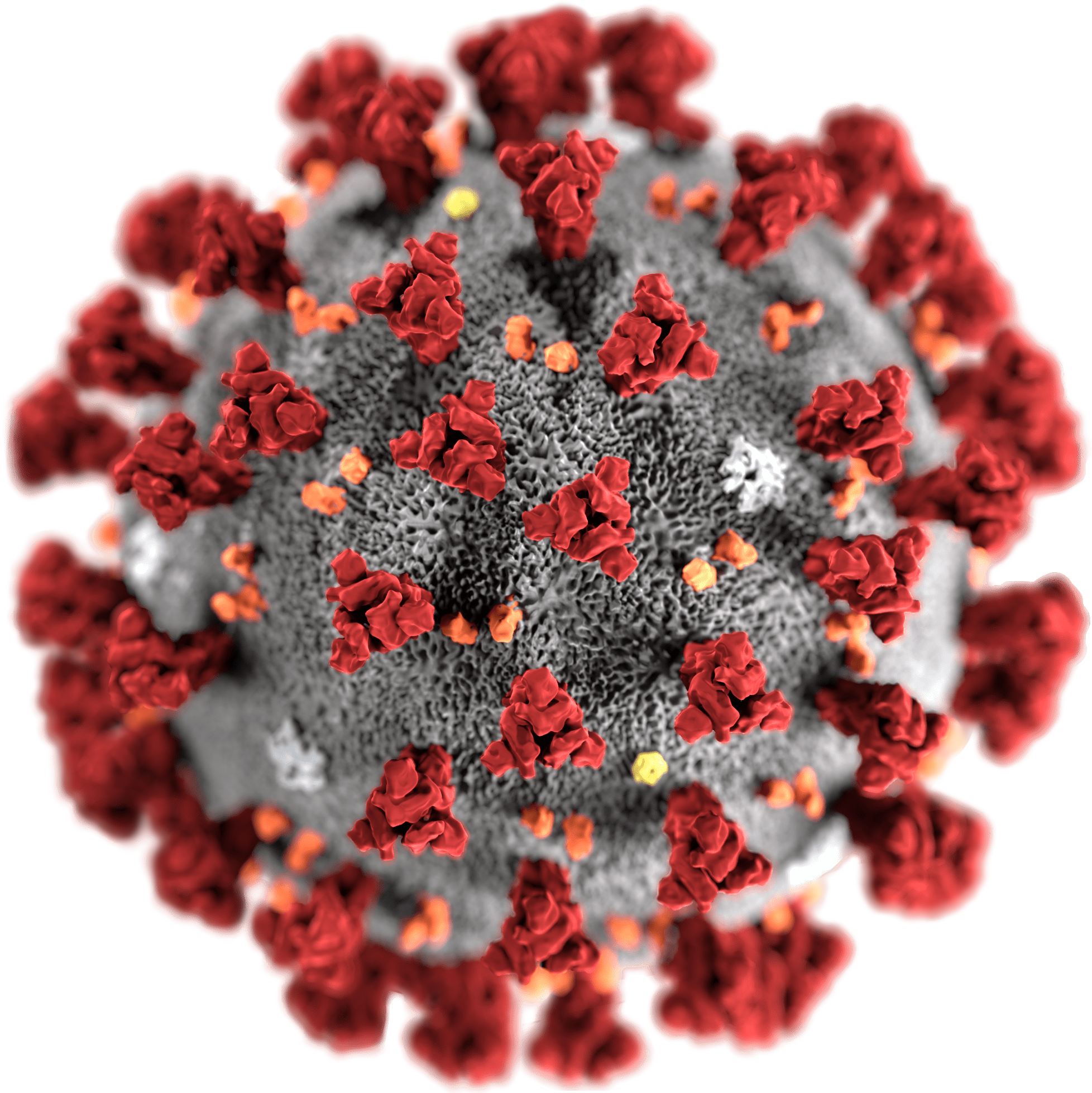
This illustration, created at the CDC, reveals ultrastructural morphology exhibited by SARS-CoV-2/ Image credit: CDC/Alissa Eckert, Dan Higgins
Virus-Host Fusion Inhibitors
The broad-spectrum antiviral arbidol blocks viral fusion with target membranes, prohibiting viral entry into cells. Because it targets a common critical step for viral replication, it is effective against numerous viruses, including influenza A, B, and C as well as hepatitis B and C. A study has revealed that arbidol can effectively inhibit SARS-CoV-2 infection at a concentration of 10-30 µM in vitro. Besides its antiviral action, arbidol has been reported to produce an immunomodulatory response by inducing interferon production and stimulating the phagocytic function of macrophages.
Blocking virus-host fusion through inhibiting the Abl kinase pathway is also a promising target for the development of antiviral therapies, since this kinase activity is required for entry of coronaviruses. Abl kinases are composed of distinct domains that enable them to act as scaffolds for signaling complexes and to regulate protein function through phosphorylation of downstream targets. Pathogens have been shown to exploit Abl kinase signaling to rearrange F-actin cytoskeleton and trigger phosphorylation of viral effector proteins to facilitate viral-host fusion. A high-throughput screen identified imatinib as an inhibitor of SARS-CoV and MERS-CoV. It is likely that inhibition of Abl interferes with the actin dynamics required for virus-host fusion. Cayman offers several Abl kinase inhibitors that can be used to study the coronavirus membrane fusion step.
Abl Kinase Inhibitors
Imatinib (mesylate)
Saracatinib
GNF-2
GNF-5
See all Abl family & Bcr-Abl inhibitors
In addition to the coronavirus entering the host by binding to the host cell’s ACE2 receptor, participation of ACE in the renin-angiotensin system has been implicated in the acute, accelerated lung fibrosis associated with coronavirus infection. ACE mediates the conversion of angiotensin I to angiotensin II, which interacts with angiotensin II type 1 (AT1) receptors. In some pathological conditions, overactivation of AT1 receptors may lead to damaging events like fibrosis in the liver and lungs, possibly through increasing TGF-β expression. Presumably, a drug that would inhibit ACE, such as lisinopril, or block AT1, like losartan, would have a beneficial effect of mitigating the heavy fibrosis associated with acute cases of SARS infections by shutting down the ACE-angiotensin II-AT1 pathway. ACE inhibitors may further play a role in disallowing viral fusion of the coronavirus to the host cell and entry into the cell, denying its pathway to replication.
See all AT1 receptor antagonists
Protease Inhibitors
In addition to spike protein binding of the ACE2 receptor, viral entry requires spike protein priming by host cellular proteases. This involves spike protein cleavage at S1/S2 surface units and the S2’ site and allows fusion of viral and cellular membranes. This activity is essential for viral spread and pathogenesis in the infected host. SARS-CoV-2 has been shown to use the endosomal cysteine proteases cathepsin B and L and the serine protease TMPRSS2 for spike protein priming. This is evidenced by the ability of the serine protease inhibitor camostat (mesylate), which is active against TMPRSS2 to partially block SARS-CoV-2-spike protein-driven entry into cells. When camostat (mesylate) was combined with E-64d, an inhibitor of cathepsin B and L, full inhibition was achieved.
After infection, genomic RNA is released into the cytoplasm of the host cell and translated into two long, overlapping polyproteins, pp1a and pp1ab, which are processed by two proteases, the main protease (Mpro or 3C-like protease) and the papain-like protease (PLpro). The hydrolytic activity of these proteases produces multiple functional proteins that are essential to forming the replicase complex for viral replication. Protease inhibitors block the viral life cycle by selectively preventing such proteolytic cleavage. The protein sequences of SARS-CoV Mpro and SARS-CoV-2 Mpro are 96% identical, indicating that protease inhibitors that have shown success against SARS-CoV should have similar efficacy against SARS-CoV-2. Both mycophenolic acid and the hepatitis C virus (HCV) protease inhibitors telaprevir, boceprevir, and grazoprevir have all been shown to bind to the active site of SARS-CoV-2 PLpro and hence, may be useful in preventing viral replication. A molecular docking study also revealed the HIV protease inhibitor indinavir to nearly perfectly overlap the region of the protein pocket of Mpro. Some success has already been shown in treating SARS-CoV-2-infected patients with the HIV protease inhibitors lopinavir and ritonavir in combination with the influenza neuraminidase inhibitor oseltamivir. However, a clinical study aimed to compare arbidol and lopinavir/ritonavir treatment for patients with COVID-19 with lopinavir/ritonavir only, supported lopinavir/ritonavir therapy but not lopinavir/ritonavir plus arbidol therapy. Cayman offers several protease inhibitors that can be used in candidate screens for inhibitors of Mpro and PLpro activity.
| HCV Protease Inhibitors | HIV Protease Inhibitors | Influenza Neuraminidase Inhibitors |
Asunaprevir | Darunavir |
RNA-Dependent RNA Polymerase Inhibitors
Once inside the host cytoplasm, the single-stranded RNA virus serves as an RNA template that is replicated into complementary strands through the action of the RNA-dependent RNA polymerase (RdRp). The initiation step of RNA synthesis involves the addition of a nucleoside triphosphate to the 3’ end. The strand is elongated by repeated nucleotidyl transfer reactions with subsequent nucleoside triphosphates added to generate the complementary RNA. A class of nucleotide analogs has been developed as antiviral drugs to confuse RdRp as they are incorporated into RNA strands and induce non-obligate RNA chain termination. During the 2003 SARS outbreak, the RdRp inhibitor ribavirin in combination with the HIV protease inhibitors lopinavir and ritonavir was shown to reduce the disease course of clinical trial patients. BCX4430 (galidesivir) is in an advanced development stage under the FDA Animal Efficacy Rule to counteract viral threats from coronaviruses, flaviviruses, filoviruses, paramyxoviruses, togaviruses, bunyaviruses, and arenaviruses.
Development of some nucleoside-based therapeutics for SARS-CoV infections has been hampered by their removal via a proofreading 3’-5’ exoribonuclease (ExoN), but remdesivir, an adenosine nucleoside analog that demonstrates broad-spectrum anti-RdRp activities, has been shown to evade ExoN surveillance. Remdesivir was originally developed to treat Ebola virus, but also shows promising efficacy against SARS-CoV and MERS-CoV in pilot studies with an excellent safety profile in clinical trials so far. Remdesivir was used to treat the first US patient infected with SARS-CoV-2 who recovered. Results from a study sponsored by the National Institute of Allergy and Infectious Diseases (NCT04280705) found that remdesivir significantly shortened the duration of clinical symptoms and accelerated resolution of the disease in some patients. Multiple additional trials (NCT04292730, NCT04292899, 2020-000936-23, NCT04315948, ISRCTN83971151) indicate clinical benefit in some patients with severe COVID-19, but no difference from standard of care in patients with moderate disease. The ribonucleoside analog EIDD-1931 has recently shown potency against remdesivir-resistant CoV mutations, demonstrating broad-spectrum antiviral activity against SARS-CoV-2, MERS-CoV, SARS-CoV, and related zoonotic group 2b or 2c bat-CoVs. Molnupiravir, a prodrug form of EIDD-1931, is on track to become the first oral antiviral medicine to treat COVID-19 after showing it reduced risk of hospitalization or death around 50% in COVID-19 patients in a phase 3 clinical trial. Cayman offers the following RdRp-targeted drugs that can be used to study viral replication.
RdRp Inhibitors
EIDD-1931
Entecavir (hydrate)
GS-441524
Molnupiravir
Remdesivir
Ribavirin
Sorafenib
T-705 (Favipiravir)
Oxysterol-Binding Protein Inhibitors
During viral replication, oxysterol-binding protein (OSBP) plays a vital role in producing the membrane-bound viral replication organelles that form at the membrane contact sites between the endoplasmic reticulum (ER) and Golgi. The antifungal drug itraconazole and the natural compound OSW-1, which is being investigated as an anticancer drug, have been identified as functioning through targeting OSBP. While the binding modality of itraconazole is not known, OSW-1 has been shown to affect binding to one of the two established OSBP ligand binding sites. OSW-1 induces a prolonged reduction of cellular OSBP levels and has been shown to inhibit enterovirus replication. Coronaviruses may also be a suitable target for OSBP-targeted compounds.
Oxysterol-binding Protein Inhibitor
Endosomal pH Regulators
Viruses entering host cells by endocytosis require an acidic pH in endosomal vesicles for virus-host fusion and to carry out the replication process. The antimalarial agent chloroquine (phosphate) is a weak base that shows broad-spectrum antiviral activities by increasing the endosomal pH required for viral activity. It can impair the replication of viruses by interfering with endosome-mediated viral entry as well as the late stages of replication of enveloped viruses whose glycosylation step requires a low pH for enzyme processing. Chloroquine (phosphate) can also suppress the release of TNF-α and interleukin-6, which contribute to inflammatory complications of viral diseases. In multicenter clinical trials conducted in China, chloroquine (phosphate) has demonstrated potent efficacy in treating pneumonia associated with COVID-19. However, more recent trials of the drug have shown mixed efficacy and produced safety concerns due to risk of heart rhythm problems. For this reason, the FDA revoked its emergency authorization. Another antimalarial agent, artesunate, with anti-inflammatory properties is additionally being evaluated in the WHO's Solidarity clinical trial to treat hospitalized COVID-19 patients. As inhibitors of vacuolar H+-ATPases, bafilomycins have also been shown to play a role in preventing the endosomal acidification necessary for SARS-CoV-2 infection.
Endosomal Acidification Inhibitors
Chloroquine (phosphate)
Hydroxychloroquine (sulfate)
Artesunate
Bafilomycin A1
Bafilomycin B1
Bafilomycin C1
Bafilomycin D
Nuclear Transport Inhibitors
Another step that is essential for viral replication is the integration of the nucleocytoplasmic shuttling of viral proteins through the action of host importin proteins. The antiparasitic compound ivermectin has been shown to inhibit the interaction between the HIV-1 integrase protein and the importin α/β1 heterodimer. This action disrupts integrase protein nuclear import, which prevents HIV-1 replication. Ivermectin has also been shown to inhibit nuclear import of simian virus SV40 large tumor antigen and dengue virus non-structural protein 5 and to limit infection by RNA viruses such as dengue virus 1-4, West Nile virus, Venezuelan equine encephalitis virus, and influenza. Such broad-spectrum activity is likely due to the reliance by many different RNA viruses on importin α/β1 during infection. Ivermectin also shows efficacy against the DNA virus pseudorabies virus. Nucleolar localization of the nucleocapsid protein is a common feature of the coronavirus family, but the SARS-CoV nucleocapsid protein does not appear to localize to the nucleus or the nucleolus of infected cells. Interestingly, reports have shown that ivermectin's nuclear transport inhibitory activity is also effective against cultured Vero/hSLAM cells infected with SARS-CoV-2. The mechanism of action for how ivermectin interferes with this particular coronavirus is unclear. Cayman offers ivermectin B1a, the main component (>80%) of ivermectin, and several other analogs, including ivermectin B1b, a minor component (<20%) of ivermectin.
Redox Homeostasis Disruption
ER stress and subsequent activation of the unfolded protein response (UPR) are thought to contribute significantly to viral replication during a coronavirus infection. Indeed, cells overexpressing the SARS-CoV spike protein and other viral proteins exhibit high levels of UPR activation, and the expression of the ER protein folding chaperones GRP78, GRP94, and other ER stress-related genes is increased to maintain proper protein folding. The gold-thiol complex auranofin functions to inhibit redox enzymes, which leads to a dysregulation of redox homeostasis that induces oxidative stress and apoptosis. It has been shown to inhibit SARS-CoV-2 replication in cells at a low micromolar concentration with a 95% reduction in the viral RNA in just 48 hours after infection. Auranofin also has anti-inflammatory actions that reduce cytokine production and stimulate an immune response, so may be helpful in mitigating any associated cytokine storm.
Conclusion
Various potential targets for development of COVID-19 therapeutics exist along the stages from when a positive-sense, single-stranded RNA virus infects host cells and replicates. With little time available for drug testing and development, the repurposing of approved pharmaceutical drugs provides the most immediate solution for addressing the COVID-19 outbreak. Indeed, knowledge gained from the previous SARS outbreak has placed researchers in an advantageous position of better understanding solutions for how to address long-term treatment of this newly identified coronavirus. With hundreds of antiviral compounds in our catalog and custom synthesis services at the ready, Cayman scientists are poised to support the development of an effective therapeutic strategy against SARS-CoV-2 infection.
You May Also Be Interested In
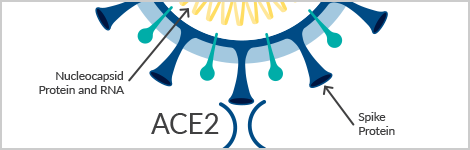 | 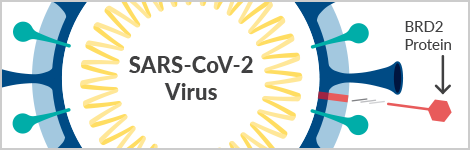 |
| Tools to Study SARS-CoV-2-Host Interactions | Uncovering the Role of BRD2 in COVID-19 |
Simplify Screening and Hit-Seeking
SARS-CoV-2 Spike-ACE2 Interaction Inhibitor Screening Assay Kit
Provides a robust and easy-to-use platform for identifying novel inhibitors of SARS-CoV-2 spike and ACE2 interactions. This assay uses a recombinant rabbit Fc-tagged SARS-CoV-2 spike S1 receptor binding domain (RBD) that binds to a mouse anti-rabbit antibody-coated plate. When His-tagged ACE2 binds the spike RBD, the complex is detected with an HRP-conjugated anti-His antibody. A control is included for competition of the SARS-CoV-2 spike RBD-ACE2 interaction.
Email sales@caymanchem.com to discuss your specific project needs
View hundreds of antiviral compounds available from Cayman
Don’t see the compound you need? Request a custom synthesis.
Suggested Reading
Agostini, M.L., Andres, E.L., Sims, A.C., et al. Coronavirus susceptibility to the antiviral remdesivir (GS-5734) is mediated by the viral polymerase and the proofreading exoribonuclease. mBio 9(2), e00221-00218 (2018).
Albulescu, L., Strating, J.R.P.M., Thibaut, H.J., et al. Broad-range inhibition of enterovirus replication by OSW-1, a natural compound targeting OSBP. Antiviral Research 117, 110-114 (2015).
Calya, L., Drucea, J.D., Catton, M.G., et al. The FDA-approved drug ivermectin inhibits the replication of SARS-CoV-2 in vitro. Antivir. Res.178, 104787 (2020).
Chang, Y.-C, Yung, Y.-A., Lee K.-H., et al. Potential therapeutic agents for COVID-19 based on the analysis of protease and RNA polymerase docking. Preprints 2020, 2020020242 (2020).
Clasman, J.R., Báez-Santos, Y.M., Mettelman, R.C., et al. X-ray structure and enzymatic activity profile of a core papain-like protease of MERS coronavirus with utility for structure-based drug design. Sci. Rep. 7, 40292 (2017).
Denga, L., Lia, C., Zeng, Q. Arbidol combined with LPV/r versus LPV/r alone against Corona Virus Disease 2019: A retrospective cohort study. J. Infect. (2020).
Dong, L., Hu, S., Gao, J. Discovering drugs to treat coronavirus disease 2019 (COVID-19). Drug Discov. Ther.14(1), 58-60 (2020).
Dyall, J., Coleman, C.M., Hart, B.J., et al. Repurposing of clinically developed drugs for treatment of middle east respiratory syndrome coronavirus infection. Antimicrob. Agents Chemother. 58(8), 4885-4893 (2014).
Elfiky, A. and Ibrahim, N.S. Anti-SARS and anti-HCV drugs repurposing against the papain-like protease of the newly emerged coronavirus (2019-nCoV). Research Square preprint (2020).
Gao, J., Tian, Z., and Yang, X. Breakthrough: Chloroquine phosphate has shown apparent efficacy in treatment of COVID-19 associated pneumonia in clinical studies. Biosci. Trends (2020).
Hoffmann, M., Kleine-Weber, H., Schroeder, S., et al. SARS-CoV-2 cell entry depends on ACE2 and TMPRSS2 and is blocked by a clinically proven protease inhibitor. Cell 181, 1-10 (2020).
Liu, X. and Wang X.-J. Potential inhibitors for 2019-nCoV coronavirus M protease from clinically approved medicines. bioRxiv 2020.01.29.924100 (2020).
Roberts, B.L., Severance, Z.C., Bensen, R.C., et al. Differing activities of oxysterol-binding protein (OSBP) targeting anti-viral compounds. Antiviral Res. 104548 (2019).
Rothan, H.A., Stone, S., Natekar, J., et al. The FDA- approved gold drug Auranofin inhibits novel coronavirus (SARS-COV-2) replication and attenuates inflammation in human cells. bioRxiv 2020.04.14.041228 (2020).
Sheahan, T.P., Sims, A.C., Zhou, S., et al. An orally bioavailable broad-spectrum antiviral inhibits SARS-CoV-2 in human airway epithelial cell cultures and multiple coronaviruses in mice. Sci. Transl. Med. pii: eabb5883 (2020).
Shen, L., Niu, J., Wang, C., et al. High-throughput screening and identification of potent broad-spectrum inhibitors of coronaviruses. J. Virol. 93(12), e00023-00019 (2019).
Sisk, J.M., Frieman, M.B., and Machamer, C.E. Coronavirus S protein-induced fusion is blocked prior to hemifusion by Abl kinase inhibitors. J. Gen. Virol. 99(5), 619-630 (2018).
Strating, J. R.P.M., van der Linden, L., Albulescu, L., et al. Itraconazole inhibits enterovirus replication by targeting the oxysterol-binding protein. Cell Rep. 10(4), 600-615 (2015).
Wan, Y., Shang, J., Graham, R., et al. Receptor recognition by novel coronavirus from Wuhan: An analysis based on decade-long structural studies of SARS. J. Virol. (2020).
Zhou, P., Yang, X.-L., Wang, X.-G., et al. A pneumonia outbreak associated with a new coronavirus of probable bat origin. Nature (2020).
Contact Info
Cayman Chemical1180 East Ellsworth RoadAnn Arbor, Michigan 48108 USAToll Free: (800) 364-9897(USA and Canada only)Fax: (734) 971-3640


